amNewYork: Op-Ed | Recovery doesn’t just happen in a clinic, it happens in a kitchen
As published in amNewYork, March 27, 2026
Link to op-ed.
Op-Ed | Recovery doesn’t just happen in a clinic, it happens in a kitchen
By James Hollywood, Vice President of Residential & Recovery Services, Samaritan Daytop Village
If you spend enough time supporting people working to overcome substance use, one thing becomes clear: recovery is not just about stopping use, it’s about helping people feel well enough—physically and mentally—to continue to move forward.
One of the most overlooked tools we have to support that process is something simple: nutrition.
March is National Nutrition Month. For many, it’s a reminder to eat better, often to look better. But for the people we serve, improving healthy eating is about stability, healing, and a real chance at recovery. Given our substance use epidemic, we should all focus more on nutrition as part of recovery.
Over the past several decades, our diets have changed dramatically. We now eat highly processed, high-sugar foods that research has shown to be harmful to our physical health. What’s becoming increasingly clear is how much it affects our mental health, and in turn, our use of substances.
Many people who suffer from substance use disorder are also living with depression, anxiety, or trauma. For many, substance use begins as a way to cope, to quiet anxiety, lift a low mood, or manage emotional pain. So, improving mental health is key to helping people better engage in substance use treatment and to sustain recovery.
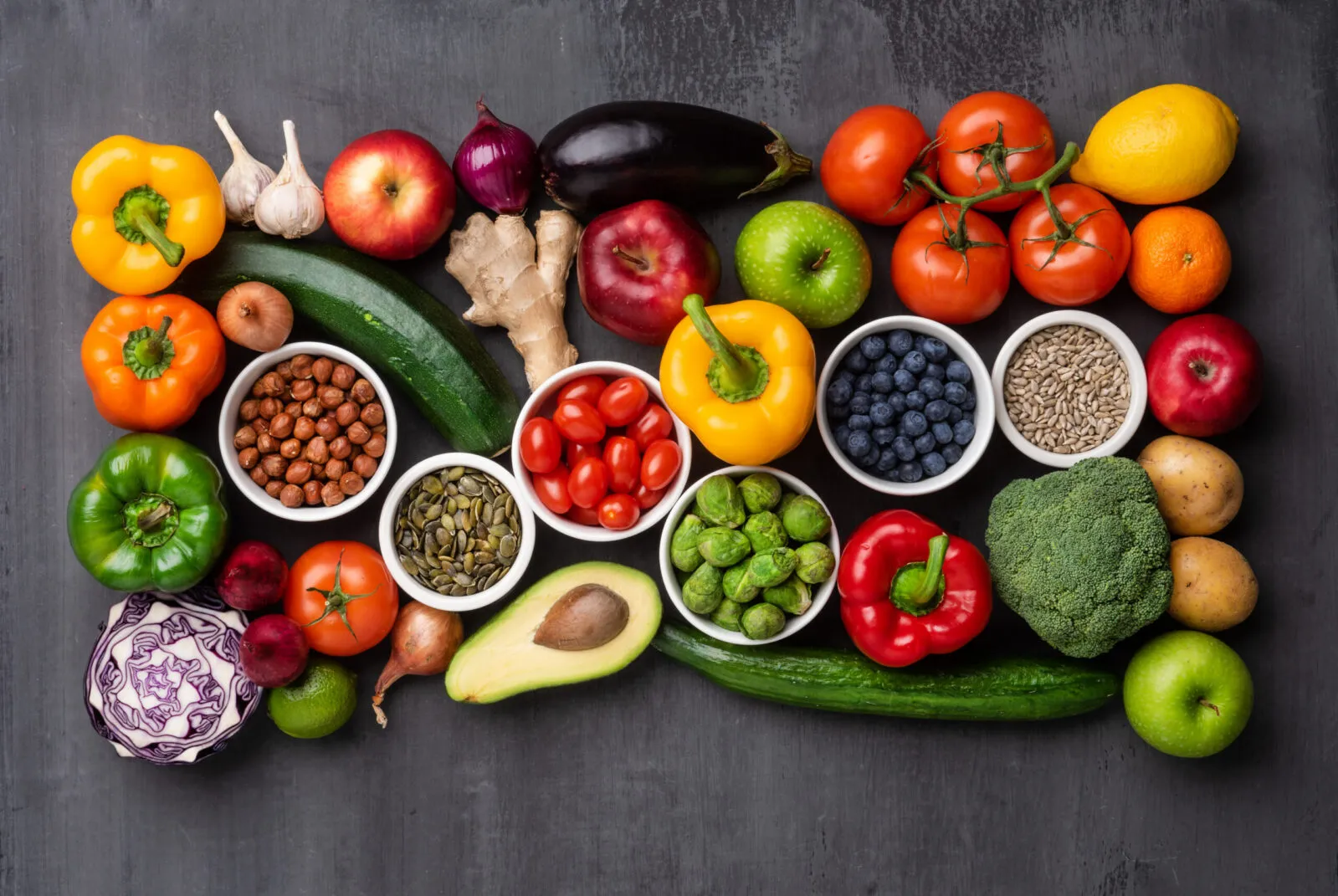
A growing body of research shows a strong connection between nutrition and mental health. We now know that eating a healthy diet that includes more protein and complex carbohydrates, grains, and greens, and less added sugar and processed foods can help alleviate symptoms of depression and anxiety, in part because nutrients support the brain systems that regulate mood and cognition.
Newer studies are reinforcing that connection. Recent clinical trials found that adults with serious mental health challenges who followed a keto diet high in protein saw their psychiatric symptoms improve and college students with major depression who followed a similar diet experienced about a 70 percent improvement in symptoms.
The science is still evolving, but the direction is clear: nutrition and mental health and substance use are related. Improving nutrition improves mental health and allows people to navigate the challenges of substance use recovery more easily.
At Samaritan Daytop Village, we see the impact of good nutrition every day. One participant who had a diet that included a daily highly processed, packaged honey bun, felt almost instantly mentally and physically better after cutting out that sweet treat and credits that change and other dietary modifications for helping him sustain recovery after years of substance misuse.
That’s why across our residential programs, recovery centers, and shelters and housing, we’ve integrated nutrition into care. That work comes to life through initiatives like our “Nourish and Flourish” programming, which brings together education, access, and community to support healthier habits. That includes providing healthier meals, offering hands-on cooking demonstrations, and helping people learn how to prepare affordable, nourishing meals using everyday ingredients.
We see the impact every day. When people begin eating more nutritious food, they start to feel better. Their energy improves. As they feel physically better, their mood and mental health improve. They’re better able to focus, participate in counseling, and stay engaged in their recovery.
This approach can and should help many more people struggling with addiction and mental health challenges and if we are serious about helping them recover, we need to take nutrition more seriously. That means investing in programs that integrate it into care and expanding access to healthy food. We need to do better in recognizing that recovery is shaped by what happens in the kitchen nearly as much as what happens inside a clinic.