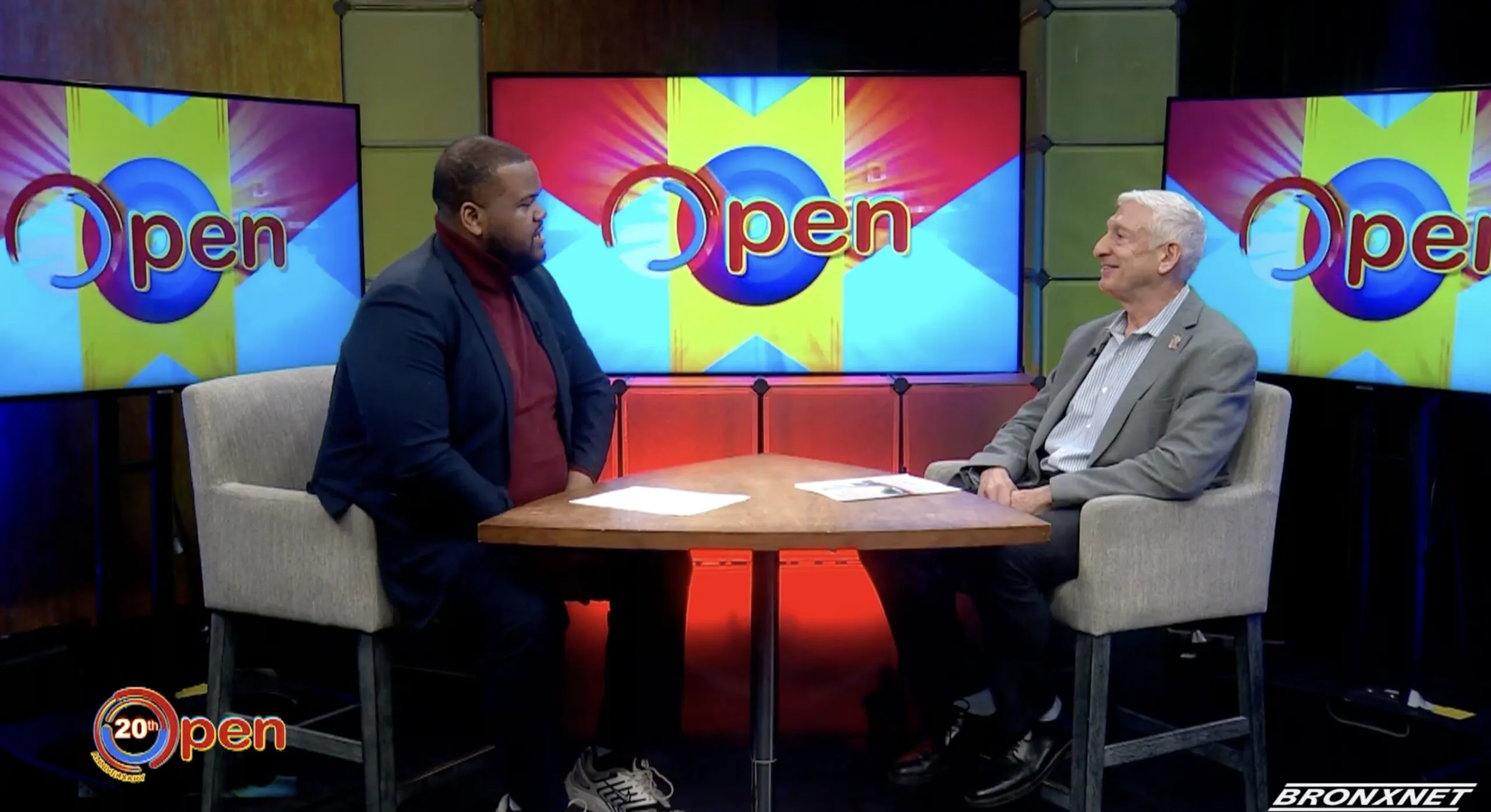
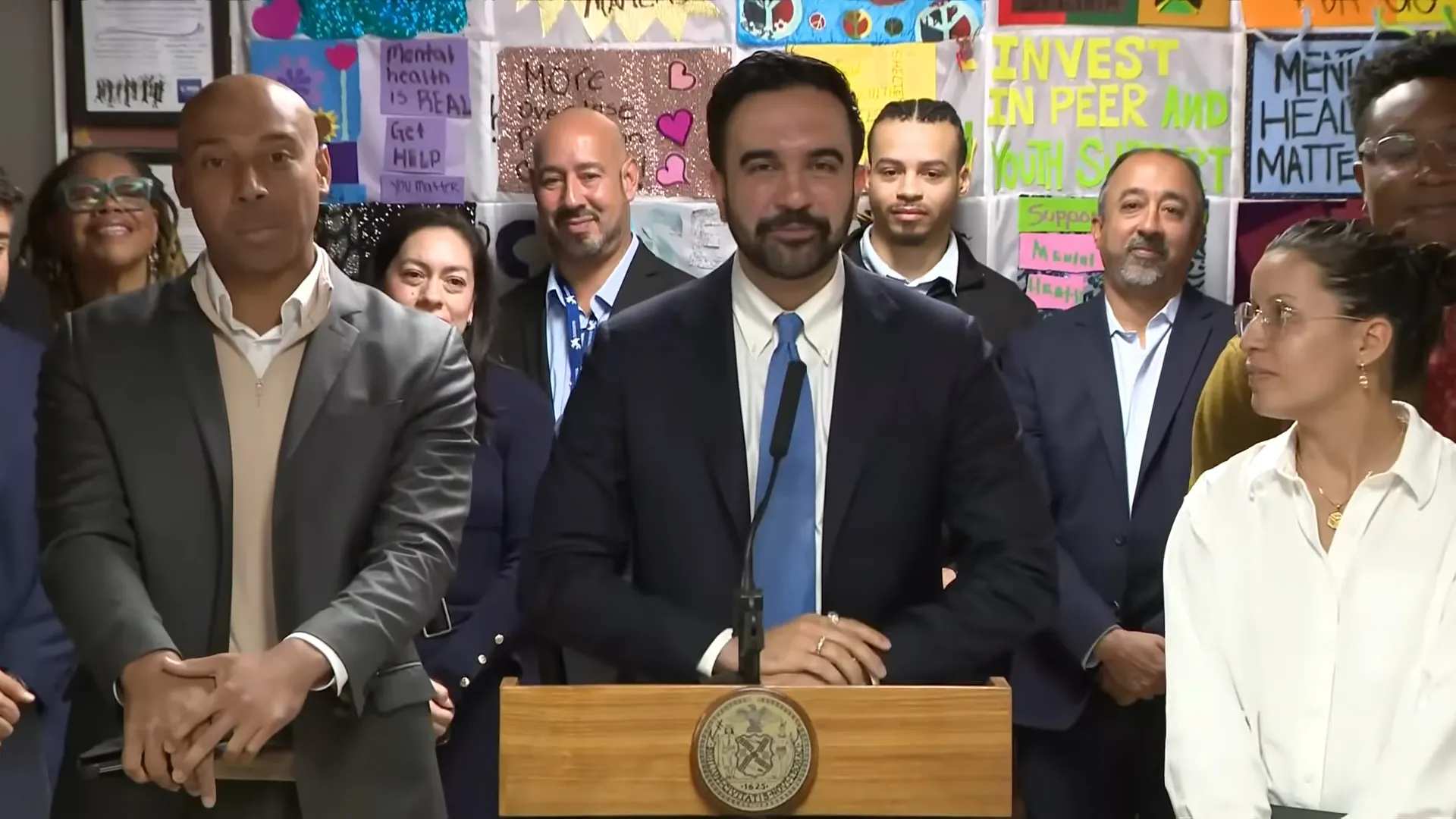
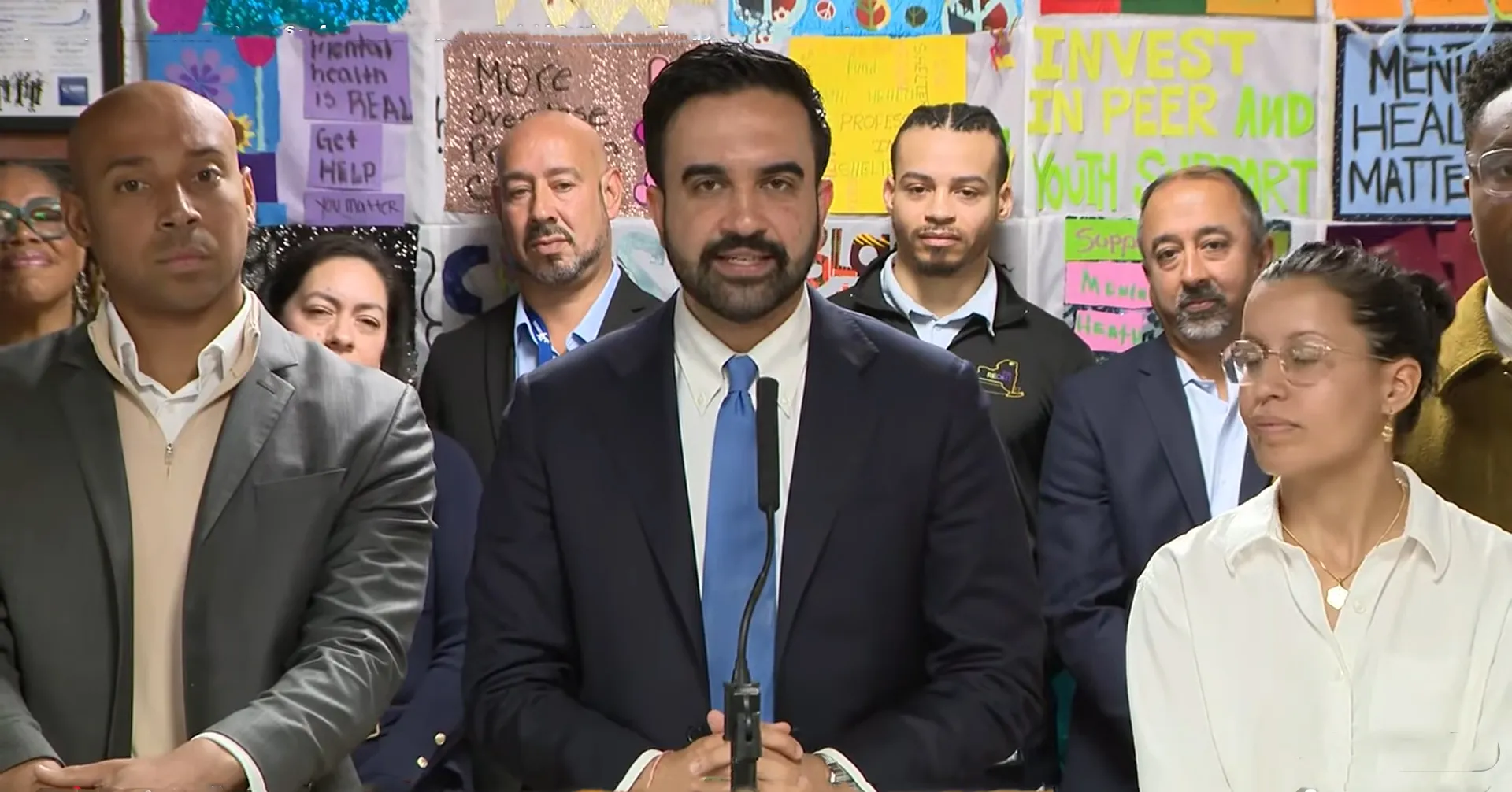
The Connection Between Substance Recovery and Nutrition
As broadcast on 106.7 Lite FM “Get Connected”, May 18, 2026
Link to podcast episode.
Samaritan Daytop Village on the Connection Between Substance Recovery and Nutrition
May is Mental Health Awareness Month. Many people who are living with depression, anxiety, or trauma, unfortunately, also suffer from substance use disorder. James Hollywood, VP of Residential and Recovery Services from Samaritan Daytop Village, talks about the connection between recovery and nutrition. Since 1960, Samaritan Daytop Village has been improving the quality of life for New Yorkers. The nonprofit is nationally recognized for the treatment of substance use disorder as well as for the veteran-specific approach it pioneered.
Click below to hear the interview.
Transcript
00:02
Speaker 1
Welcome to Get Connected with Nina del Rio, a weekly conversation about fitness, health and happenings in our community on one zero six point seven Light FM.
00:13
Speaker 2
Thanks for listening to Get Connected. In May, which is Mental Health Awareness Month, many people who are living with depression, anxiety, or trauma unfortunately also suffer from substance use disorder. What may have begun as a way to cope has unfortunately led to addiction. My guest is James Hollywood from New York’s Samaritan Daytop Village for a conversation about the connection between recovery and nutrition. James Hollywood, thank you for being to get connected.
00:41
Speaker 3
Well, I appreciate you having me. Thank you.
00:43
Speaker 2
James Hollywood is the vice president of Residential and Recovery Services at Samaritan Daytop Village, where for over sixty years they’ve been improving the quality of life for New Yorkers. It’s a nonprofit nationally recognized for the treatment of substance use disorder as well as for their veteran specific approach. For more, visit Samaritan Village dot org. To start, Can you talk a little bit more about the work you do at Samaritan Daytop village supporting people in recovery sure.
01:11
Speaker 3
Our approach to recovery takes many paths. We have traditional treatment programs and our residential services and outpatient services and no treatment programs. But more recently, as part of an outgrowth in both national and state level with funding being available, we’ve developed recovery services. Recovery services are more community facing, low threshold for admission free services and helps a person figure out where they might need to go or what resources they need to have, or they may already have a plan but just need help executing it. And so the recovery services are offered in the communities where people live, as opposed to having to go to a treatment program that might be an accounty further away from them or not approximate to where they live or work. So that’s where our evolution is gone, from the bricks and mortars treatment settings to community based services.
02:05
Speaker 2
One of the reasons we’re having this conversation is because of a recent up ed you wrote for AM New York and you talk about nutrition and recovery nutrition being one of the most overlooked tools. Why does it matter so much?
One of the reasons we’re having this conversation is because of a recent up ed you wrote for AM New York and you talk about nutrition and recovery nutrition being one of the most overlooked tools. Why does it matter so much?
02:18
Speaker 3
Why it matters so much is because what we do know is that addiction is primarily a biological, lead driven or affected disorder. That yes, there are psychological and sociological aspects that affect it, but you know, primarily it is in the brain. And what we’ve learned, and we recruited a professional nutritionalist, doctor Elizabeth Madison, who really helped us frame out the information we needed to be able to implement the project. But what we did learn from her is that the brain operating on the nutrition that we put in our body right, and so it is the right mix of fats and carbohydrates and proteins, all of which are needed, all of which are good right. And this approach is really, i think, a balanced approach and works within a framework of recovery. It’s not an extreme diet. It’s not where you might eliminate carbs and do nothing but proteins or eliminate fats and the like. It really is a balanced approach and that’s why we took to it so well, and the science behind it it is evidence based and the impact is noticeable. It’s noticeable in many ways once people wrap their heads around different foods to eat and different ways to prepare healthy nutritional meals. It really has proven itself to be beneficial to people’s recovery.
03:40
Speaker 2
When we hear about how addiction rewires someone’s brain, which is what you were referring to, In effect, it’s where the substance is prioritized over basic needs like food and sleep. Is that part of the issue.
03:51
Speaker 3
That is part of the issue, right, And what we think of know about addiction addiction, we have natural drives towards you know, drinking water, good foods, being in relationships where we feel loved and connected. All of those things are in part hardwired in our brain with the reward mechanism. Dopamine and sinergic systems. You know, these are neurochemicals that are the feel good chemicals in the brain, and often it’s through those interactions that dopamine serotonin are released, and addiction hijacks that. Addiction, you know, floods the brain with those neurotransmitters that make people feel really good and then drives behavior toward continually seeking that state and that euphoria. And we know that with substances with food, with relationships, people can get involved in harmful use of drugs, harmful use of food, harmful relationships because that dopamine release is driving behavior. So in part we know that about addiction, we also know that about a wellness right, and we look at ways that we can help people find other paths to become emotionally self regulating, and food is is one of those paths.
05:02
Speaker 2
My guest is James Hollywood. He’s the vice president of Residential and Recovery Services at Samaritan Day Top Village, over seeing more than four hundred staff members, twelve residential addiction treatment programs with over eight hundred beds, two recovery centers and social services, and over four hundred units of permanent support of housing. With over thirty years of behavioral health experience, Jim has been instrumental in expanding evidence based trauma informed practices at Samaritan. You can find out more about the organization at Samaritan Village dot org. You’re listening to get connected on one OHO six point seven light FM. Amina del Riel, you mentioned earlier about diets. In your article, you talked about the Keto diet being most impactful.
05:43
Speaker 3
So yeah, and I think more of an editorial oversight on my part and probably should have framed it in terms of comparing it to the Keto diet. So keto diet has evidence and supports katosis state where bodypat is burnt because you are using a protein based approach or emphasized diet. And for me, I think the balance would have been how food medicine would take a look at not just your protein intake, but your fat intake and your carbohydrate intake to look at a more balanced approach to maintain a weight loss a pro long period of time as opposed to with the KEDO diet being more emphasized on a short range or a short term weight loss. And the other thing that we learned from doctor Medison is with food is medicine being a more balanced approach, it is a sustained healthy weight, sustained healthy relationship with food and a good nutrition over a long period of time that has the maximum health gains. So while each of them have evidence of support to achieve a certain goal, we come to know and believe and understand that food is medicine has a more balanced and a longer lasting approach to health and wellness.
06:56
Speaker 2
Just to break it down in a sense, when you’re talking about long term also so you’re talking about sort of remapping your brain to a more baseline state, but also you’ve got. You know your body’s been dysregulated, right, so lungs, heart, liver, kidneys, all these things. You’re trying to get everything back in balance.
07:13
Speaker 3
And we do know, right that addictive behavior or addictive use of a substance, food, or et cetera, rewires the brain. Recovery also rewires the brain, right, and it brings into balance the person’s ability to self regulate mood, to manage a crisis or stressful situations in a way that optimizes health outcomes. And I think going back to it, why food is medicine works so well in addiction recovery and mental health recovery is good because similarly, like sustained abstinence or adherence to medications can really help rewire the brain, so can ongoing nutrition that is balanced and balanced with every meal and not just done one time or for thirty day period, but done rather as a more lifestyle change and adaptation to better health food choices.
08:06
Speaker 2
So how long have you been integrating nutrition into your recovery programs? And besides food, you’re also teaching people to cook healthy and how to shop correctly as well. That has to be a part of it, absolutely.
08:18
Speaker 3
So what began as in our residential services where we first piloted and developed the intervention and then moved it to our recovery services, was really to take a look at how do we institutional care make changes. And what we noted with that, right, there were so many stakeholders in it, right, there was the operations director, there was food service manager, there was the chefs that prepared meals. But then there was also the clients themselves had a stake in it. The other staff who had to sort of help explain it also had to navigate it. Then even on the executive level, there’s the purchasing department, is the finance department. Right, there’s so many players. It had to be an institutional and which we did make, and we made with a lot of concervative effort and a lot of involvement. And what we did note right that there was such a positive response ultimately from the client base, and we realized that a recovery services similarly would benefit from it. Right, recovery services being community focused, being driven by peer professionals, didn’t have that institutional structure around it. But more importantly, what would it benefit a person if they only had this approach in their treatment environment because treatment ends, right there are planned durations of stay, whether it’s thirty, sixty, ninety or six months of duration. After that they go back to their communities, they go back to their lives right outside of the institution. And that’s where we recognized we needed to develop in recovery services what we did in residential and so meeting that reality, it is again peer led. So what we had was doctor Madison provide the knowledge and skill to the peers so that they could impart this knowledge to the people they serve and do so in a peer framework or a peer lens and so using their own personal lived experience. One of the staff that we train to become a wellness ambassador, he pointed out, Listen, I don’t go to whole folds. I can’t get access to, you know, maybe the healthy fresh produce. I’d go to a food pantry and really struck us for a moment, right, And that’s where lived experience as a peer can be so important to healthcare, not just an addiction, but in other aspects. You know, It’s like okay, So there was a whole segment on how do you prepare Vienna sausages to be as healthy of a meal right, And so what we like about Documentisine’s approach and this food medicine, this approaches no food is bad food, it’s figuring out well, how does it balance? You know, how do you balance the right amount of proteins with the right amount of fats, with the right amount of carbohydrates to have a healthier outcome. So we also had to do segments on how do you prepare healthier food in a microwave because some people do not have the vulcan six range cast stove that you might want or fantasize having in your kitchen or apartment. So that experience in that feedbact help us modify what we were doing and really meet people where they are and make it translatable and manageable in that environment.
11:19
Speaker 2
How many people does this program? Has this program seen or worked with over time? And I wonder if you could also talk about an example of recovery that’s been particularly striking.
11:30
Speaker 3
Sure, so in terms of impact in our residential system, we serve over three thousand distinct individuals each year. We’ve been running this for three years, and we’ve had food as medicine in all of our residential programs. So arguably nine thousand people at least in that setting. In our recovery services, which we’ve been now running now for two years, the numbers might be a little bit smaller, but there’s probably anywhere between one thousand and fifteen hundred people that have gone through as have had their lives touched by our in services and training. So in terms of the recovery stories, and one of the stories is and thinking of now, this is a person who was in one of our programs, was veteran programs, and got involved in the Food is Medicine project and recognized, you know that his recovery which he thought was strong, you know, absolutely from substances, reconnecting to his family, feeling connected to this recovery process, recognizing that three cups of coffee and the cinnabon breakfast really was fueling energy and tension and anxiety that went alongside of this other stuff that was happening to the positive. So adopting a different lifestyle looking at not just eliminating because it’s bad, but recognizing, well, what do I do in terms of replacing, how do I manage those cravings which are just as strong for a cinnabon in the mourning or a cup of coffee as it was for you know, the drink or the drug that fueled his addiction looked to work towards a balance of that, and so he went on not just to personally benefit from it. Then he became involved as a peer educator and became involved in the Food is Medicine project and became one of our instructors. So his story sort of sticks out for me in my mind. You know, how he came into treatment at the right time when we were pulling in these elements, and you know, it really does attribute. The thing that has helped him significantly was the looking at what he’s eating, how he’s eating, and what could he eat differently.
13:35
Speaker 2
I had a conversation the other day Jim with a neurosurgeon and we were talking about strokes. With the right treatment, the impact of a stroke can be recoverable. There are lots of factors at play, but a stroke is fully recoverable. What would you say about addiction, And there’s lots of things that come into play and the ability to recover.
13:54
Speaker 3
So addiction comparable to type two diabetes or hypertensions, similar if not better outcomes, right, And so you know, forty to sixty percent of the people who enter treatment over their lifetime have improvement, right, And so if we look at that, if we look at if we narrowly define addiction recovery as full and total and complete abstinence from the moment they enter care until they leave this earth. You know, that’s sort of the original standard, right, it’s total absence for the remainder of their life. But if we know and understand that human behavior isn’t linear when it is, it’s great that it could happen. Right, But you know, I always joke that you know the reason right after New Year’s resolutions, right after the bacchanalia from Thanksgiving through the Christmas of food, food, food, Right, then people go to the extreme and say I’m going to get healthier and better and start exercising. Six weeks later is Valentine’s which is a holiday of chocolate, right, because why most human behavior, you need a good solid ninety plus and that halfway mark forty five days is when we have the next holiday where food is the center focus. And I think it’s true in addiction, is that there are many attempts at recovery, there are many setbacks, but all of that is part of that journey, and I think there is total in full recovery. We see people who go from being homeless and unemployed and disconnected from their families and community to become vital members of their community or establish connections with their families, gone on to have successful careers and the like. So is it possible? Absolutely possible? And is also possible is that gradient of change? You know, if we look at it even from a harm reduction approach. You know, if we could help a person who uses drugs to use drugs in a way that are safer, that is recovery as much as somebody working towards total abstinence in their definition of recovery. So I think how we define it, how the person themselves define it becomes an important element to what is success. But people can they fully recover from addiction? Absolutely.
16:05
Speaker 2
My guest is James Hollywood representing Samaritan Daytop Village. You can find out more at Samaritan Village dot org. Thank you for being to get connected.
16:14
Speaker 3
Well, I appreciate you having me. Thank you.
16:16
Speaker 1
This has been get connected with Nina del Rio on one oh six point seven Light FM. The views and opinions of our guests do not necessarily reflect the views of the station. If you missed any part of our show or want to share it, visit our website for downloads and podcasts at one oh six to seven lightfm dot com. Thanks for listening.